From the moment he uttered "Hello there!" to a wide-eyed farm boy, Obi-Wan Kenobi solidified his place not just as a beloved character, but as the quintessential embodiment of The 'Obi-Wan' Archetype: Understanding the Universal Mentor Figure. This isn't merely about a wizard in a robe; it's about a timeless pattern etched into our collective consciousness, a guide who appears at pivotal moments to steer heroes — and all of us — toward our true potential.
At a Glance: Understanding the Universal Mentor
- What it is: A universal character pattern (archetype) representing a wise, experienced guide.
- Origin: Rooted in Carl Jung's concept of the "collective unconscious" and ancient myths.
- Core Role: To provide guidance, wisdom, training, and sometimes a spiritual connection to a hero or mentee.
- Key Traits: Patience, wisdom, selflessness, often a connection to a higher purpose, and a willingness to challenge.
- Beyond Fiction: Mentors exist in real life, fulfilling similar crucial roles in personal and professional development.
- Impact: Empowers the mentee to face challenges, develop skills, and ultimately forge their own path.
Unpacking the Archetype: More Than Just a Wise Old Man
Before we dive deep into the specific traits and timeless appeal of the Obi-Wan archetype, let's ground ourselves in the concept of archetypes itself. Swiss psychiatrist Carl Jung theorized that humanity shares a "collective unconscious"—a reservoir of universal experiences, images, and symbols inherited from our ancestors. Within this shared mental space reside archetypes: primal, universal patterns of characters, situations, or symbols that manifest repeatedly in myths, dreams, and stories across all cultures and eras. Think of them as blueprints for human experience.
The Star Wars saga, with its profound resonance, brilliantly taps into these archetypal patterns, which is a major reason for its universal appeal. While characters like Luke Skywalker embody the the Hero's Journey explained, traversing stages from the "Call to Adventure" to "The Road of Trials," it's figures like Obi-Wan Kenobi who provide the essential compass for that journey.
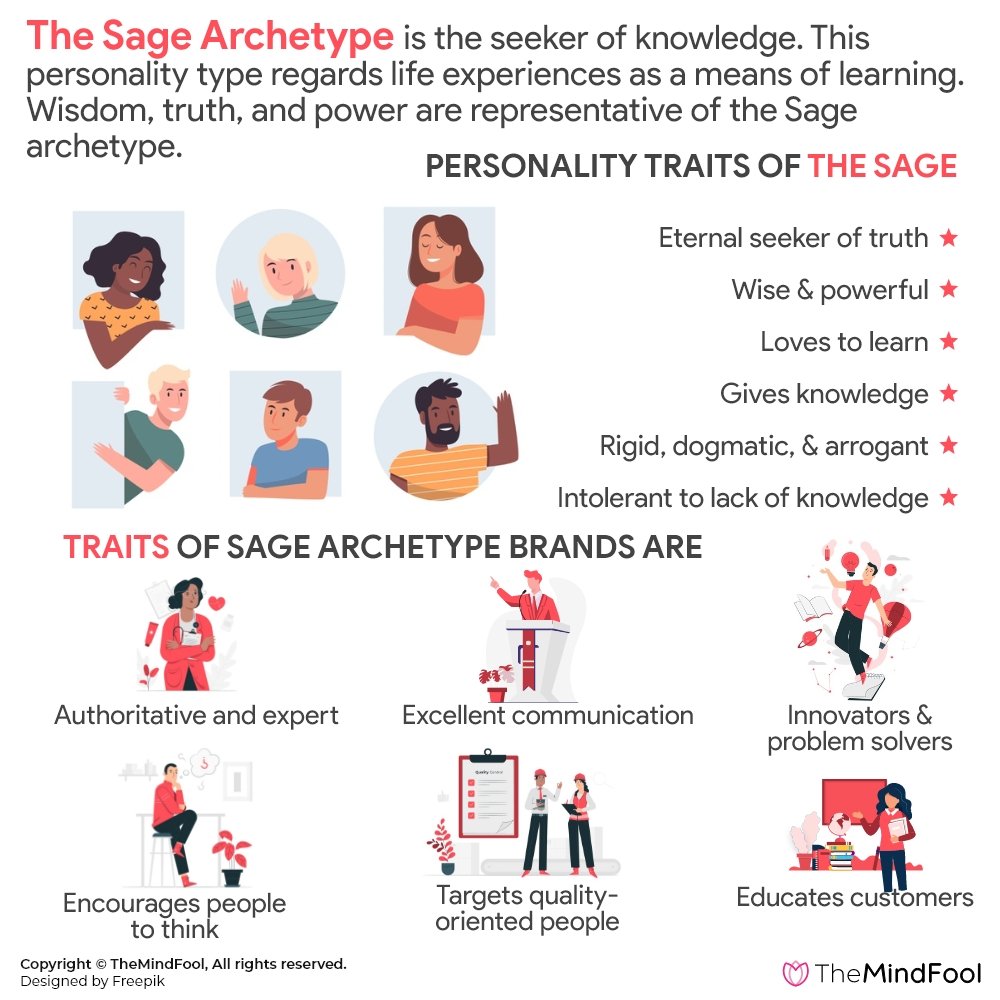
Obi-Wan isn't just a character; he's the embodiment of Jung's "Wise Old Man" archetype. He's the sage, the elder who has traveled the path before, gained profound insights, and is now ready to impart that wisdom to the next generation. His aged appearance, calm demeanor, and Jedi robes visually communicate wisdom and a connection to ancient knowledge, reinforcing his archetypal role.
The Core Traits of the Universal Mentor Figure
What makes an Obi-Wan a truly effective and memorable mentor? It's a blend of specific characteristics that consistently appear in stories and, importantly, in real-life mentorship relationships.
1. The Repository of Profound Wisdom and Experience
At the heart of the Obi-Wan archetype is deep, often hard-won, wisdom. This isn't just factual knowledge, but an understanding of life, consequences, and moral truths. Obi-Wan has seen the rise and fall of the Jedi Order, witnessed the corruption of the Republic, and even confronted his own failings (like failing Anakin). This history grants him a perspective that few others possess.
In Practice: A real-world mentor brings years of experience in their field, insights into common pitfalls, and the ability to see patterns where a novice only sees chaos. They offer perspective that transcends immediate challenges.
2. Guidance, Not Control: Empowering the Protégé
A true mentor doesn't dictate; they guide. Obi-Wan doesn't force Luke to become a Jedi, but presents the choice, explains the stakes, and then provides the tools and training. He trusts Luke to make his own decisions, even if they sometimes lead to mistakes. His goal is to empower Luke, not to create a clone of himself.
In Practice: Effective mentors provide advice, resources, and frameworks, but encourage mentees to solve problems independently. They foster critical thinking rather than spoon-feeding answers. This subtle distinction allows for genuine growth and builds confidence.
3. Selflessness and Sacrifice for the Greater Good
The mentor archetype often involves a degree of self-sacrifice. Obi-Wan spends years in exile, watching over Luke, and ultimately sacrifices his physical life to allow Luke and his companions to escape the Death Star. His legacy, however, continues to guide Luke from beyond the grave. His focus is always on the mentee's success and the larger cause.
In Practice: Mentors invest time, energy, and sometimes even their reputation into their mentees without expecting immediate tangible returns. Their reward is seeing their mentee flourish and contribute to a shared vision or community.
4. Patience and Encouragement (Mixed with a Healthy Dose of Challenge)
Mentorship isn't always smooth sailing. There are doubts, frustrations, and moments of apparent failure. Obi-Wan, and later Yoda, demonstrate immense patience with Luke's struggles and outbursts. They encourage him, reminding him of his potential, while simultaneously pushing him past his comfort zone. "Your eyes can deceive you, don't trust them," is both a warning and a challenge to look deeper.
In Practice: A great mentor knows when to offer a comforting word and when to deliver tough feedback. They believe in their mentee's capacity for growth even when the mentee doubts themselves, pushing them gently (or not so gently) towards mastery.
5. A Connection to a Higher Purpose or Knowledge
Often, the mentor serves as a conduit to a deeper understanding or a larger truth. For Obi-Wan, this is the Force and the ancient ways of the Jedi. He introduces Luke to a world beyond his mundane existence, connecting him to a spiritual power and a galactic legacy. This connection elevates the hero's journey from personal ambition to something more profound.
In Practice: This could be a mentor who introduces you to the ethical considerations of your profession, connects you with the broader history of your craft, or helps you understand the "why" behind your work, not just the "how." They help you see the bigger picture.
Mentors Across Time and Tales: Beyond a Galaxy Far, Far Away
The Obi-Wan archetype didn't begin in 1977. It's a pattern that has echoed through human storytelling for millennia, proving its universal resonance.
- Merlin (Arthurian Legends): The wise, mystical advisor to King Arthur, Merlin guides the young king through challenges, imparts magical knowledge, and helps him establish a just kingdom. He's often depicted as ancient and deeply connected to nature and magic.
- Gandalf (Lord of the Rings): A powerful wizard who guides Frodo Baggins on his perilous quest to destroy the One Ring. Gandalf provides counsel, protects the Fellowship, and inspires courage. Like Obi-Wan, he often appears at critical junctures and orchestrates events from a larger, strategic perspective.
- Dumbledore (Harry Potter): The enigmatic headmaster of Hogwarts, Dumbledore serves as Harry's primary magical mentor, revealing secrets about Voldemort, teaching him crucial lessons about love and choice, and ultimately preparing him for his destiny.
- Morpheus (The Matrix): Morpheus awakens Neo to the truth of the Matrix, trains him in its simulated reality, and believes in his potential as "The One." He opens Neo's eyes to a new world and empowers him to challenge the established order.
These figures, though varied in their specific abilities and settings, share the fundamental characteristics of the Obi-Wan archetype. They are catalysts for change, repositories of wisdom, and selfless guides who prioritize their protégé's growth and the success of a greater mission. Their existence in diverse narratives highlights their deep roots in the collective unconscious.
The Mentor's Journey: Stages and Impact
While we often focus on the hero's journey, the mentor also plays a distinct and crucial role throughout its various stages:
- The Call to Adventure: The mentor often either issues the call or appears shortly after it, providing the initial push or tools the hero needs to accept their destiny. Obi-Wan brings Luke the lightsaber and the truth about his father.
- Initial Guidance and Training: This is where the core of the mentorship takes place. The mentor teaches skills, imparts wisdom, and helps the hero understand the rules of the new world they've entered. This period often involves trials and tests.
- Separation or Apparent Loss: A critical stage where the mentor is often removed, either physically (Obi-Wan's death) or through a temporary absence, forcing the hero to stand on their own. This tests the hero's learned lessons and builds self-reliance.
- Guidance from Beyond: Even when physically absent, the mentor's lessons, words, or even spirit continues to guide the hero. Obi-Wan's voice in Luke's head ("Use the Force, Luke!") is a classic example.
- The Legacy of the Mentor: The true measure of a mentor is not their own glory, but the success and continued growth of their mentee. The mentee carries forward the mentor's teachings, often becoming a mentor themselves.
The impact of this journey is profound. Mentors don't just teach skills; they instill confidence, impart values, and help shape identity. Without an Obi-Wan figure, many heroes would flounder, never realizing their full potential.
Finding Your Own Obi-Wan: Practical Steps to Seek Guidance
You don't need to live in a galaxy far, far away to benefit from an Obi-Wan figure. Mentors are everywhere, and actively seeking one can be one of the most transformative decisions you make.
1. Define Your Needs and Goals
Before you start looking, understand what you need. Are you seeking career advancement, personal development, specific skill acquisition, or guidance through a life transition?
- Examples: "I want to improve my leadership skills," "I need advice on starting my own business," "I'm looking for someone who has navigated a similar career change."
This clarity will help you identify the right type of mentor.
2. Identify Potential Mentors
Think broadly. Mentors can be:
- Within your professional network: Senior colleagues, former managers, industry leaders.
- Through professional organizations: Many associations have mentorship programs.
- In your personal life: Family friends, community leaders, professors, coaches.
- Indirectly: Through books, podcasts, or online courses from experts you admire (though this lacks direct interaction, it can still be inspiring).
Look for individuals who possess the wisdom, experience, and character traits we discussed earlier. Someone who has "been there, done that" successfully in an area relevant to your goals. Consider what characteristics of a great mentor are most important to you.
3. Make a Thoughtful Approach
Don't just walk up and say, "Be my mentor!" Mentorship is a relationship, not a transaction.
- Start with respect: Acknowledge their expertise and contribution.
- Be specific: Explain why you chose them and what you hope to learn.
- Manage expectations: Offer to buy them coffee, ask for a single meeting, or request specific advice rather than a long-term commitment right away. This lowers the barrier for them to say yes.
- Be prepared: Have specific questions or topics ready for your initial interaction.
4. Be a Good Mentee: Show Up, Be Receptive, Take Action
The mentee's role is just as important.
- Respect their time: Be punctual, prepared, and follow through on commitments.
- Be receptive: Listen actively, ask clarifying questions, and be open to feedback, even if it's challenging.
- Take action: The point of mentorship is growth. Implement their advice, report back on your progress, and show that their guidance is making a difference.
- Express gratitude: A sincere thank you goes a long way.
Remember, true mentorship is a journey, not a destination. It evolves over time, and the best relationships are mutually rewarding. If you're looking for guidance, sometimes you just need to know how to ask. You might be surprised how many Obi-Wans are out there, waiting for someone to offer a genuine "Help me, Obi-Wan Kenobi." And if you're ready to find that guidance, we've got resources to Get help from Obi-Wan.
Embodying the Mentor: Becoming an Obi-Wan for Others
The cycle of mentorship is vital. Just as you seek guidance, you too have the potential to become an Obi-Wan for someone else. Paying it forward is not just a noble act; it's a way to reinforce your own learning and contribute to your community.
1. Cultivate Your Own Wisdom and Experience
You don't need to be a Jedi Master to be a mentor. You simply need to have traveled a path that someone else is just beginning. Reflect on your own journey, your successes, failures, and the lessons learned. What insights have you gained that could benefit another? Embrace continuous learning; your own growth fuels your ability to guide others.
2. Practice Active Listening and Empathetic Guidance
An effective mentor listens far more than they speak. Understand the mentee's challenges from their perspective. What are their fears, their aspirations, their unique circumstances? Guidance should be tailored, not boilerplate. Empathy allows you to connect on a deeper level and offer advice that truly resonates.
3. Foster Independence, Don't Create Dependence
The goal is to empower, not to enable. A true mentor helps the mentee find their own answers, develop their own problem-solving skills, and build their own confidence. This means knowing when to step back and allow them to stumble, learn, and ultimately triumph on their own. Encourage self-sufficiency and critical thinking above all else.
4. Share Your Network (Wisely)
Part of the mentor's role is to open doors. If appropriate, connect your mentee with others in your network who can offer different perspectives or opportunities. This expands their world and provides them with new resources, accelerating their growth.
5. Set Boundaries and Expectations
Mentorship is a commitment, but it shouldn't consume you. Be clear about the time you can dedicate, your availability, and the scope of your guidance. Healthy boundaries ensure the relationship is sustainable and productive for both parties.
Becoming an Obi-Wan means stepping into a role of profound responsibility and reward. It's about lighting the path for others, knowing that their success is, in part, a reflection of the light you've shared. This journey of leadership and guidance is a key component in finding your own mentor figure and also becoming one for others.
Common Misconceptions About the Mentor Archetype
Despite its prevalence, the mentor archetype often comes with some common misunderstandings. Let's clarify a few:
"Mentors Are Supposed to Solve All My Problems."
Clarification: No, a mentor's role is to guide you in solving your own problems. They provide tools, insights, and a sounding board, but the heavy lifting of decision-making and execution remains with the mentee. Expecting them to have all the answers or to fix things for you is a recipe for disappointment and undervalues your own growth potential.
"A Mentor Must Be an Old, Wise Sage."
Clarification: While the archetype often presents as an elder, wisdom and experience aren't solely tied to age. A mentor can be someone only a few steps ahead of you in their career, a peer with specific expertise, or even a younger person who has achieved something you aspire to. What matters is their relevant experience and willingness to share.
"One Mentor Is Enough for My Entire Life/Career."
Clarification: Unlikely. Your needs evolve, and different phases of your life or career will call for different types of guidance. You might have multiple mentors concurrently—one for career development, another for leadership skills, another for personal growth—or you might have sequential mentors as you progress. It's a dynamic relationship.
The Enduring Power of the Mentor Archetype in Modern Life
The Obi-Wan archetype resonates so deeply because the need for guidance is fundamental to the human condition. In a complex, rapidly changing world, having someone who has "been there" or can offer a broader perspective is more valuable than ever.
Whether it's a teacher inspiring a student, a coach developing an athlete, a senior executive grooming a successor, or a parent guiding a child, the mentor figure shapes individuals and, by extension, societies. They transmit knowledge, values, and cultural heritage, ensuring that lessons learned are not lost but built upon. The archetype reminds us that we are not meant to navigate life's challenges alone; there is always wisdom to be found, and wisdom to be shared.
Moving Forward: Embracing the Wisdom
Understanding the Obi-Wan archetype isn't just an academic exercise; it's a practical framework for recognizing and cultivating vital relationships in your life. It encourages you to seek out those wise guides who can help illuminate your path, and equally, to embrace your own potential to become a beacon for others.
So, as you reflect on your own journey, ask yourself: Who is your Obi-Wan? And for whom might you be theirs? The Force, after all, is not just about power; it's about balance, connection, and the timeless transmission of wisdom from one generation to the next.